

Snowfall Marks Changing Times in the Veggie Garden
The weekend found the garden covered by its first blanket of snow. I’m still growing a few vegetables here in Central PA despite the fact
The weekend found the garden covered by its first blanket of snow. I’m still growing a few vegetables here in Central PA despite the fact
While we’ve been enjoying balmy weather and an extended summer season here in Pennsylvania, I’ve started noticing reports of fall frosts striking gardens in other regions. Things are slowing down and some of the garden bloggers have closed up shop for the winter, but here are a few interesting links form around the Internet:
Yes, it’s officially fall according to the calendar, but the vegetable garden is still lush, green, and continues to yield plenty of fresh organic produce. I’ve been gradually removing summer crops, including the heirloom tomatoes to make room for fall plantings. As usual the leafy greens account for the bulk of my fall vegetable production.
I was recently introduced to a gene line of ice-bred leafy greens that may be very useful to cold climate gardeners. These leafy greens are amazing in their ability to perform under bitterly cold growing conditions. They also offer a taste treat that is noticeably more robust and flavorful than your typical leafy green vegetables.
The vegetable garden was hit by the first killing fall frost last weekend. Goodbye nasturtiums, so long pole beans, farewell my Sweet Basil! This would be a sad time indeed if it wasn’t for all of the frost-hardy vegetables, greens, and herbs that continue to grow happily in the garden’s raised beds.
Things are pretty quiet in my fall vegetable garden right now, but just because it’s October and winter is right around the corner, you shouldn’t miss out on the spectacular performances being conducted on the stage of the garden’s raised beds.
Yesterday’s entry examined strategies for planning and planting a fall vegetable garden, today we’ll look at tips for raising, harvesting, and selecting crops for growing fall vegetables. Fall vegetables don’t require any special care; in fact you’ll spend less time caring for your fall crops because of the favorable autumn growing conditions. The plants will grow rapidly at first and gradually slow as the days become shorter and colder.
Summer is ending, the days are growing shorter, and temperatures are dropping, but there’s still a little time left for the home gardener to begin Planting a Fall Vegetable Garden. Just think about it; no bugs, no weeds, no watering, no sweat… fall is the perfect season for planting delicious home-grown vegetables.
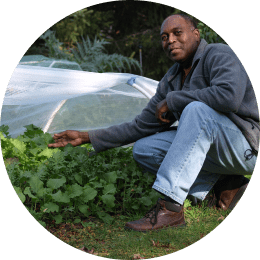
Gardening is a wonderful gift that I’ve developed the hard way… through trial and error! I hope to share the incredible lessons learned and make things a lot easier for you out in the organic vegetable garden.
Subscribe to blog updates, notifications of in-person training programs, online courses, coaching opportunities, heirloom seed availability, plant sales, and other special events