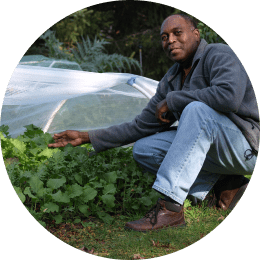
After a mild start to the winter season the U.S. is in the midst of a severe cold spell, and here in the Northeast we are becoming reacquainted with ice and snow. While the garden is now in a deep slumber, I thought it would be a good time to share some of the winter gardening gear that I’m using to protect my plants through cold weather conditions.
This year’s crop of fall-grown broccoli is looking very, very good! Yes, I’m welcoming in the month of December by harvesting an impressive crop of large heads of nutritious broccoli from the fall vegetable garden. This autumn season was ideal for growing terrific broccoli.
The vegetable garden was hit by the first killing fall frost last weekend. Goodbye nasturtiums, so long pole beans, farewell my Sweet Basil! This would be a sad time indeed if it wasn’t for all of the frost-hardy vegetables, greens, and herbs that continue to grow happily in the garden’s raised beds.
Well here’s a checklist of simple gardening ideas that can be implemented this fall to clean up and help build a healthier vegetable garden that’s enriched and revitalized when spring arrives. You’ll be rewarded for your efforts with a more productive garden that offers fresh produce far earlier and with less effort.
Things are pretty quiet in my fall vegetable garden right now, but just because it’s October and winter is right around the corner, you shouldn’t miss out on the spectacular performances being conducted on the stage of the garden’s raised beds.
Here in Central Pennsylvania it’s almost time to plant the fall garlic seed that will grow into enormous cloves of delicious gourmet garlic by the middle of next summer. Sure you can plant garlic next spring, but in most areas you’ll get healthier plants, larger cloves, and better results from a fall sowing of this cold hardy root vegetable.
Yesterday’s entry examined strategies for planning and planting a fall vegetable garden, today we’ll look at tips for raising, harvesting, and selecting crops for growing fall vegetables. Fall vegetables don’t require any special care; in fact you’ll spend less time caring for your fall crops because of the favorable autumn growing conditions. The plants will grow rapidly at first and gradually slow as the days become shorter and colder.
Cold Frames are great for stretching the garden’s growing season at both ends. In the spring cold frames provide a sheltered area for seed starting and to harden off transplants that were grown indoors. During the fall, cold frames enable you to harvest fresh vegetables longer by protecting your plants from frost and cold temperatures.
Straw mulches can serve many beneficial functions in the home garden. Straw is inexpensive and readily obtainable from garden centers, or even more economically from local farmers. Just be sure to purchase straw rather than hay, since the latter is more likely to contain weed seeds. Straw is an organic material that breaks down slowly [...]