

Turning an Heirloom Pepper into a Keepsake
I first heard about the idea of over wintered peppers from the Ottawa Gardener a few years ago but didn’t get around to trying it
I first heard about the idea of over wintered peppers from the Ottawa Gardener a few years ago but didn’t get around to trying it
With the latest round of snowfall still covering the ground here in Central PA I figured I would try to make the best of the
While there’s still a little harvesting yet in store, for the most part the garden has wound down and settled in for rest until spring.
I really thought that not talking about it would help ease the anguish of watching the days grow shorter as this summer’s vegetable gardening season
The weekend found the garden covered by its first blanket of snow. I’m still growing a few vegetables here in Central PA despite the fact
Would you like to try your hand at growing a fall veggie garden this year but aren’t quite sure how to manage it because your
A trek through the vegetable garden over the weekend revealed that many edible plants have survived the winter season and are thriving now that spring has arrived.
Sure, I heard the freeze warnings that were broadcast over the weekend, but who pays much attention to the weatherman’s predictions these days? Besides the leafy greens and fall vegetables that occupy most of the garden have been anxiously awaiting a heavy frost to tickle and sweeten their hardy leaves for weeks already.
While we’ve been enjoying balmy weather and an extended summer season here in Pennsylvania, I’ve started noticing reports of fall frosts striking gardens in other regions. Things are slowing down and some of the garden bloggers have closed up shop for the winter, but here are a few interesting links form around the Internet:
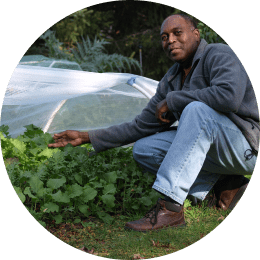
Gardening is a wonderful gift that I’ve developed the hard way… through trial and error! I hope to share the incredible lessons learned and make things a lot easier for you out in the organic vegetable garden.
Subscribe to blog updates, notifications of in-person training programs, online courses, coaching opportunities, heirloom seed availability, plant sales, and other special events